Low Density vs High Density Apartments: What Changes in Daily Life

Density is one of the most important and least discussed features of an apartment estate. The low density vs high density apartments choice affects...
Density is one of the most important and least discussed features of an apartment estate. The low density vs high density apartments choice affects how long you wait for a lift, how crowded the pool feels, how much privacy you have, and even how quickly the estate's common areas wear out. Brochures rarely spell it out, but a few simple numbers reveal a great deal. Below, we explain how to measure density, what it changes day to day, the trade-offs on price and maintenance, and how a completed estate such as Misty Waters in Hebbal compares.
How to Measure Density
Three numbers tell you most of what you need to know:
Homes per acre — total homes divided by land area
Units per floor — how many homes share each lift lobby
Open space — the share of the site left as lawns, gardens, and play areas
Ask for all three for any estate you consider, and compare them side by side. Two projects with similar prices can differ sharply on these measures.
Low Density vs High Density Apartments: What Changes
Factor | Lower density | Higher density |
|---|---|---|
Privacy | Fewer neighbours per floor and per lift | More shared walls and lobbies |
Lifts | Shorter waits at peak times | Longer waits unless many lifts are provided |
Amenities | Less crowding at the pool and gym | More users per facility |
Open space | Usually more per resident | Often less per resident |
Maintenance cost | Shared among fewer homes | Spread across more homes |
Price | Often higher per sft | Often lower per sft |
Neither is automatically better. Higher-density estates can offer more amenities for the same maintenance charge, while lower-density estates usually feel calmer.
Units per Floor Apartments: Why It Matters
Buyers who compare units per floor apartments across projects soon see that this one number shapes daily life more than tower height does. Fewer homes per floor usually mean more corner homes, better cross-ventilation, and less corridor noise. They also mean fewer people waiting for the same lift. At Misty Waters, typical floors in the Vista Tower, from level 3 to 20, carry six homes around a single central core, and level 1 carries five because the entrance lobby takes one position. That arrangement gives many homes light from two sides.
Lift Waiting Time Apartments Residents Notice
Lift waiting time apartments residents notice most comes at peak hours: the morning school and office rush and the evening return. Waits depend on the number of homes per lift, the number of floors, and lift speed. When visiting any tower, stand at the lobby at 8:30 am on a weekday and see how long the lift takes to arrive. At Misty Waters, passenger and service lifts serve every block, and 100% diesel generator back-up keeps them running during power cuts, which matters in taller towers.
Where Misty Waters Sits
Misty Waters holds 558 homes on about 6 acres, or roughly 93 homes per acre. That is moderate for a high-rise estate on a major road rather than low density in the villa sense. What balances it is open space: around 70% of the site is kept as lawns, courts, play areas, and a tree-lined perimeter, because the towers sit along the edges of an L-shaped plot. Two clubhouses, one for each phase, also spread residents across the estate rather than concentrating them in a single club. Our tour of the clubhouse facilities covers them in detail.
Price and Maintenance Trade-Offs
Lower-density homes often cost more per sft, because land and amenity costs are shared among fewer homes, and maintenance per home can be higher for the same reason. Higher-density estates spread those costs more widely. The right balance depends on what you value: if calm, privacy, and short lift waits matter most, pay for lower density; if price and amenities matter more, a well-planned higher-density estate can work well.
Density and Resale Demand
Density also affects how a home holds its appeal. Estates where facilities feel crowded, lifts are slow, and lawns are worn tend to lose favour as they age, while those with generous open space and well-spaced towers keep their character. Buyers and tenants notice these things on their first visit, often before they look at the home itself. For owners, that means open space and a well-run association protect value as much as the finish inside the walls. An estate that pairs moderate density with extensive landscaping can therefore compete well with newer, denser launches nearby.
How to Judge Density on a Visit
Numbers help, but a visit tells you more. Walk the grounds in the evening, when residents are home. Check how busy the pool, gym, and play areas feel. Count the doors on a typical floor, and ride the lift at a peak hour. Ask residents whether facilities feel crowded at weekends. Our guide to gated community flats for working professionals covers other checks, and the master plan page shows how the Misty Waters site is laid out. Resale prices are shared on request.
Related reading: Inside the Misty Waters clubhouse facilities | Gated community flats for working professionals | Master plan on the homepage | Book a site visit with our team
FAQs
What counts as low-density living?
Fewer homes per acre, fewer units per floor, and more open space per resident.How many homes per floor are in the Vista Tower?
Six on typical floors from level 3 to 20, and five on level 1.Is Misty Waters low density?
It is moderate, at roughly 93 homes per acre, balanced by around 70% open space.Does density affect maintenance charges?
Yes, costs are shared among more or fewer homes depending on density.How can I check lift waiting times?
Visit at a weekday peak hour and time the lift yourself.
Related Articles

Living Near Nagavara Lake Lumbini Gardens: The Green Edge of Kempapura
Open water is rare along the Outer Ring Road (ORR), which is why the stretch around Nagavara Lake stands out. Living near Nagavara Lake Lumbini...
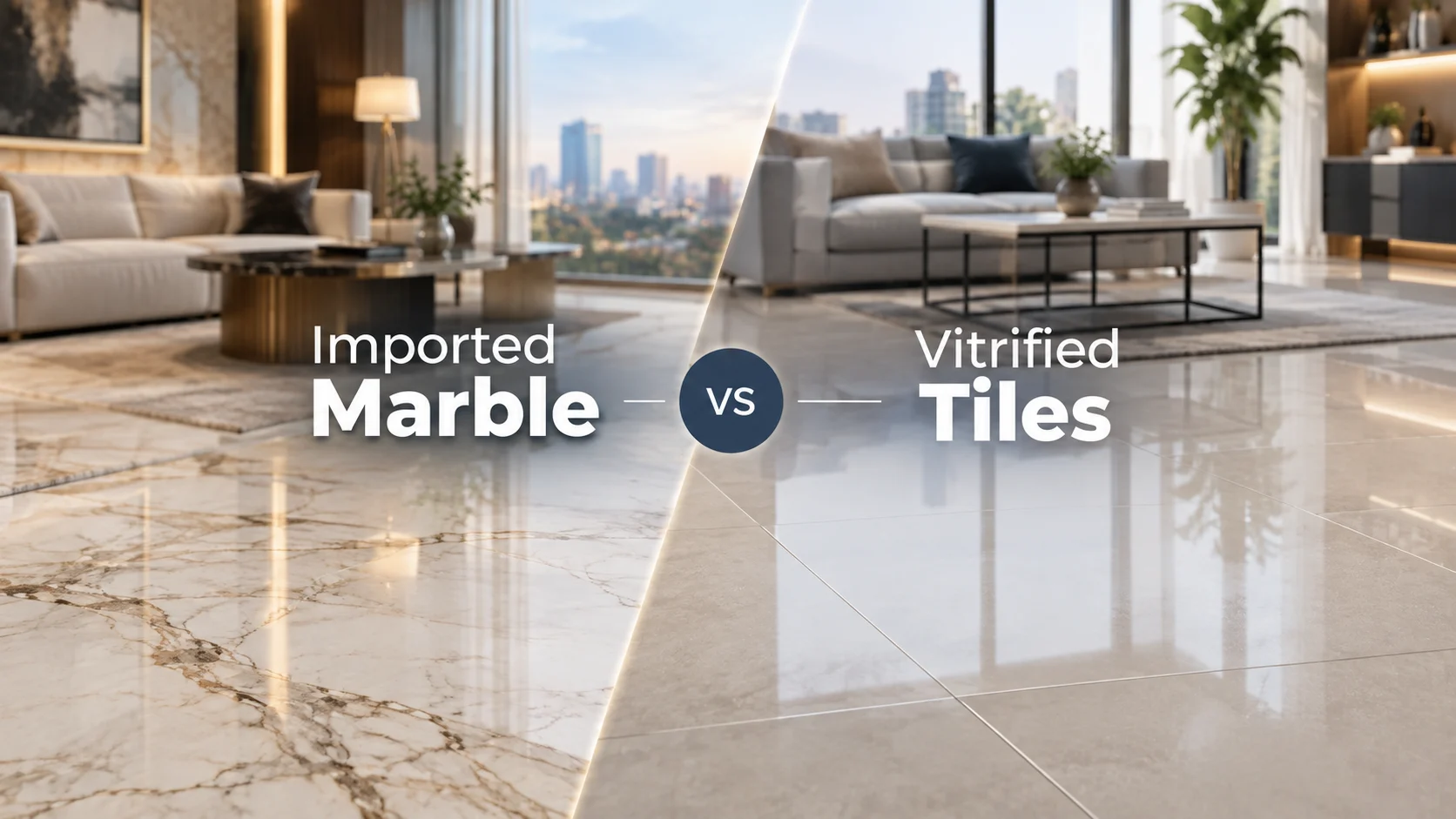
Imported Marble vs Vitrified Tiles for Flats: Which to Choose
Flooring sets the tone of a home more than almost any other finish, and it is one of the hardest to change later. The imported marble vs vitrified...

Listed Real Estate Developer Benefits for Buyers: Why Listing Matters
When two developers offer similar homes, buyers often look for a tiebreaker, and a stock-market listing is one worth understanding. The listed real...
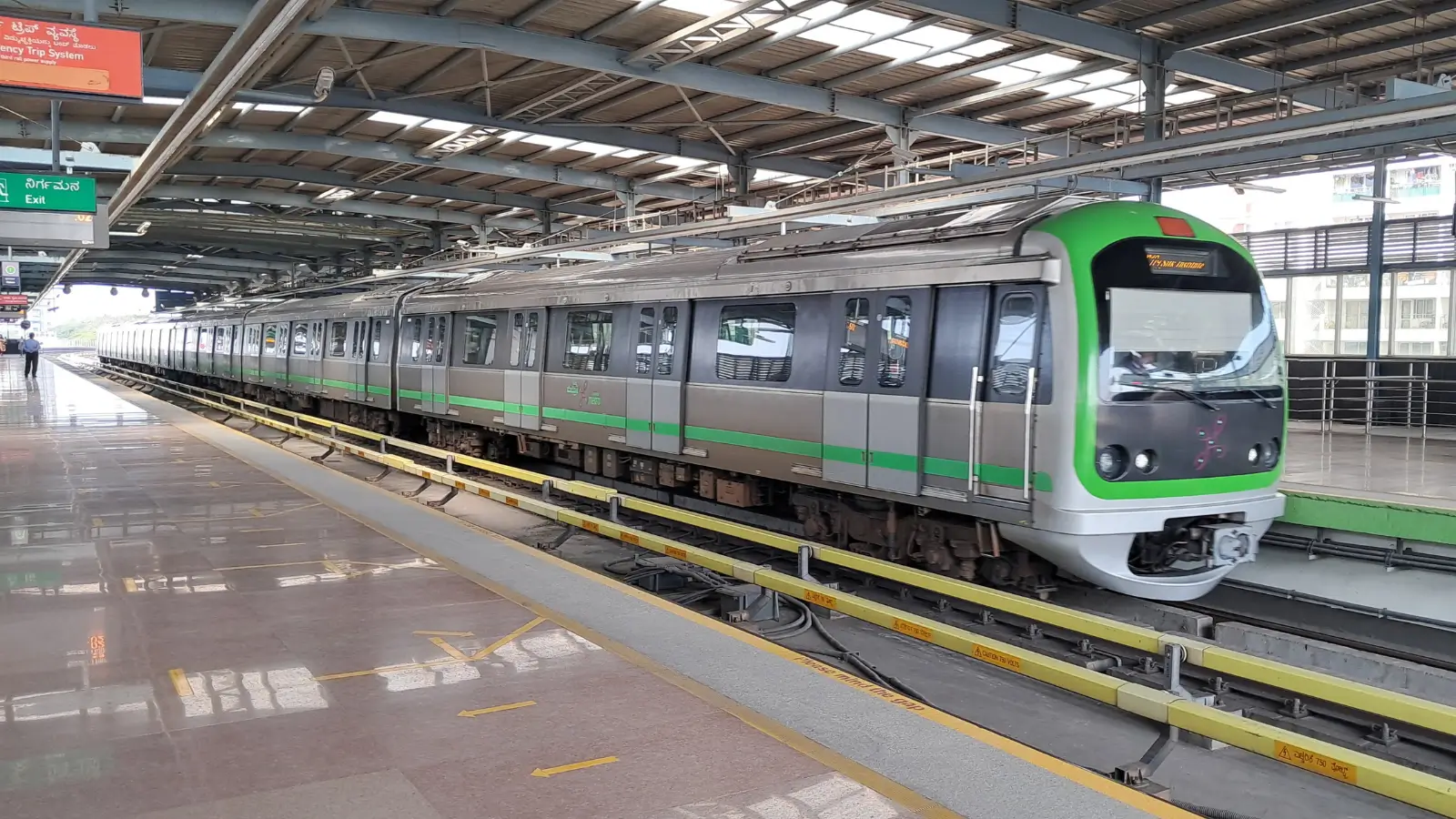
How Will Metro Affect Property Prices in Hebbal?
Metro lines change how people move, and over time they change where people want to live. With the Blue Line airport corridor under construction...