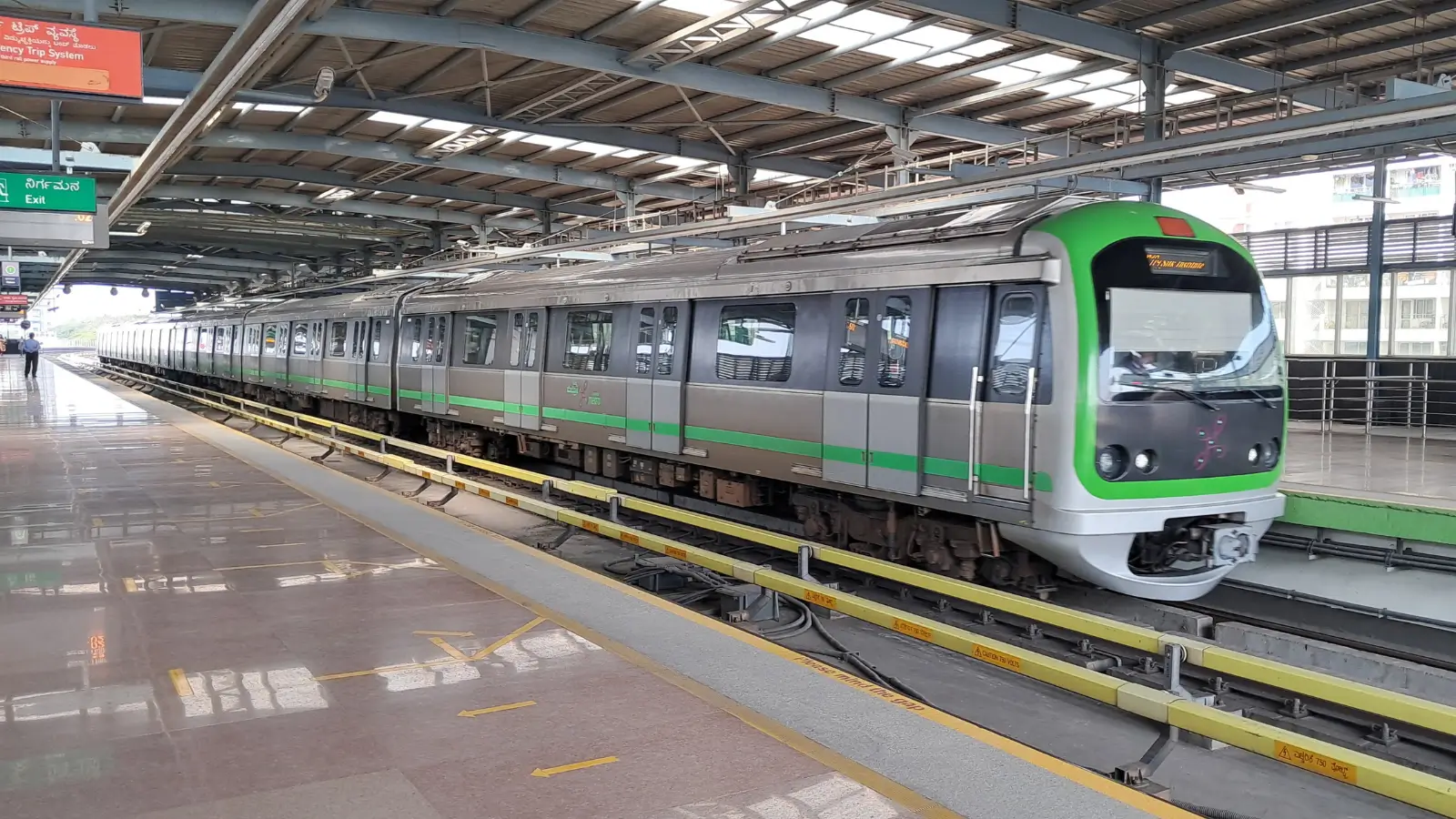
Metro lines change how people move, and over time they change where people want to live. With the Blue Line airport corridor under construction...
Metro lines change how people move, and over time they change where people want to live. With the Blue Line airport corridor under construction through Kempapura and Hebbal, buyers naturally ask: how will metro affect property prices in Hebbal, and when? The honest answer is that effects tend to build gradually, concentrate close to stations, and depend on timelines that have already moved. Below, we explain how metro access usually influences values and rents, what is specific to Hebbal, and how to factor the line into a buying decision without overpaying for promises.
Where the Line Runs
Blue Line Phase 2B runs from KR Puram along the Outer Ring Road (ORR) through Nagawara, Veerannapalya, and Kempapura to Hebbal, then north along the airport road to Kempegowda International Airport. For Misty Waters, Kempapura station is about 1 km away and Veerannapalya about 2.3 km. The Hebbal–airport section is targeted for September 2027, and the full corridor through Kempapura for March 2028; as of September 2026, no section had opened. Our Kempapura metro station guide tracks the timeline.
Blue Line Impact on Real Estate: How It Usually Works
The Blue Line impact on real estate is likely to follow a familiar pattern. Values often move in three stages: when a line is approved, when construction becomes visible, and when trains start running. Much of the anticipation is priced in before opening, so the largest jumps do not always come on the first day of service. After opening, homes within walking distance of a station tend to hold a premium over those further away, because the commute benefit is real and daily.
Distance matters. Homes within about 1–1.5 km of a station, reachable on foot or by a short auto ride, usually benefit most. Beyond that, the effect fades.
What Is Different About Hebbal
Hebbal starts from a strong base. Portal data puts average flat rates around Rs 15,950 per sft, after gains of about 72% over three years, so some metro optimism may already be reflected in prices. Kempapura's latest-year figure, a dip of about 1.5%, suggests the market has paused rather than raced ahead of the metro.
Hebbal also has an unusual advantage: Hebbala station is planned as a three-line interchange, joining the Blue Line with the approved Orange Line to JP Nagar 4th Phase and the proposed Red Line to Sarjapura. If those lines arrive, Hebbal would become one of the city's best-connected transit points, which supports long-term demand.
How Will Metro Affect Property Prices in Hebbal for Buyers Today?
For buyers today, the metro is upside rather than a certainty. We suggest three rules. Buy a home that works without the metro, so a delay does not undermine the decision. Favour homes within walking distance of a planned station, since those gain most once trains run. And avoid paying a large premium purely for the promise of a line that has already slipped once.
A completed home about 1 km from Kempapura station, such as those at Misty Waters, fits these rules well: it works today on the strength of nearby offices and the lake, and it stands to benefit when the line opens.
Metro Effect on Rent
The metro effect on rent can show up sooner than the effect on prices, because tenants value today's commute. Once stations open, homes near them can command higher rents from professionals who work along the line, for example towards the eastern ORR office belt or near the airport. At Misty Waters, current listings run from about Rs 44,000 to Rs 1.3 lakh a month, and the A-class developer benchmark puts yield at 3.5–4% a year for semi-furnished homes and 4–4.5% for furnished ones. Metro access should help sustain those levels.
Beyond Prices: Daily Life Near a Station
Metro access also changes how a neighbourhood feels. Station areas tend to attract cafés, pharmacies, and small shops, which adds convenience within walking distance. Households may drop a second car, saving on fuel and parking. Older residents and teenagers gain independence, since they no longer depend on someone to drive them. For owners, those lifestyle gains widen the pool of future buyers and tenants, which supports value as much as the commute itself.
Risks to Keep in Mind
Construction brings disruption, including lane closures and diversions near station sites. Timelines can slip further, as the move to March 2028 shows. And planned road projects near the Hebbal junction, such as a short underground bypass, could add their own construction periods. Our Hebbal price trend guide covers how prices have behaved so far, and the location page lists distances from the estate.
Related reading: Kempapura metro station opening date | Hebbal property price trend 2026 | Location and connectivity on the homepage | Book a site visit with our team
FAQs
Will the metro raise prices in Hebbal?
It usually supports values near stations over time, though much of the effect builds before opening.When will Kempapura station open?
The full corridor, including Kempapura, is targeted for March 2028.Which homes benefit most?
Those within about 1–1.5 km of a station, reachable on foot.Will rents rise once the metro opens?
Homes near stations often command higher rents from commuters along the line.Should I pay extra for metro access now?
Only modestly; buy a home that works without the metro and treat the line as upside.
Related Articles

Living Near Nagavara Lake Lumbini Gardens: The Green Edge of Kempapura
Open water is rare along the Outer Ring Road (ORR), which is why the stretch around Nagavara Lake stands out. Living near Nagavara Lake Lumbini...

Imported Marble vs Vitrified Tiles for Flats: Which to Choose
Flooring sets the tone of a home more than almost any other finish, and it is one of the hardest to change later. The imported marble vs vitrified...

Listed Real Estate Developer Benefits for Buyers: Why Listing Matters
When two developers offer similar homes, buyers often look for a tiebreaker, and a stock-market listing is one worth understanding. The listed real...

Manyata Tech Park Impact on Rental Demand: Why Kempapura Rents Hold Up
Few office campuses shape a neighbourhood's rental market as strongly as Manyata. The Manyata Tech Park impact on rental demand is visible across...