The Peripheral Ring Road has been discussed for about two decades, and 2026 is the first year it has moved decisively towards construction. Buyers...
The Peripheral Ring Road has been discussed for about two decades, and 2026 is the first year it has moved decisively towards construction. Buyers across the north therefore ask: how will peripheral ring road impact North Bangalore, and when will residents feel it? The short answer is that it should ease through-traffic on existing roads, open new land for development along its route, and link the airport corridor more directly with the city's east and west, but only once built, which will take years. Below, we explain the route, the latest status, and what it means for areas such as Hebbal.
What Is the Peripheral Ring Road?
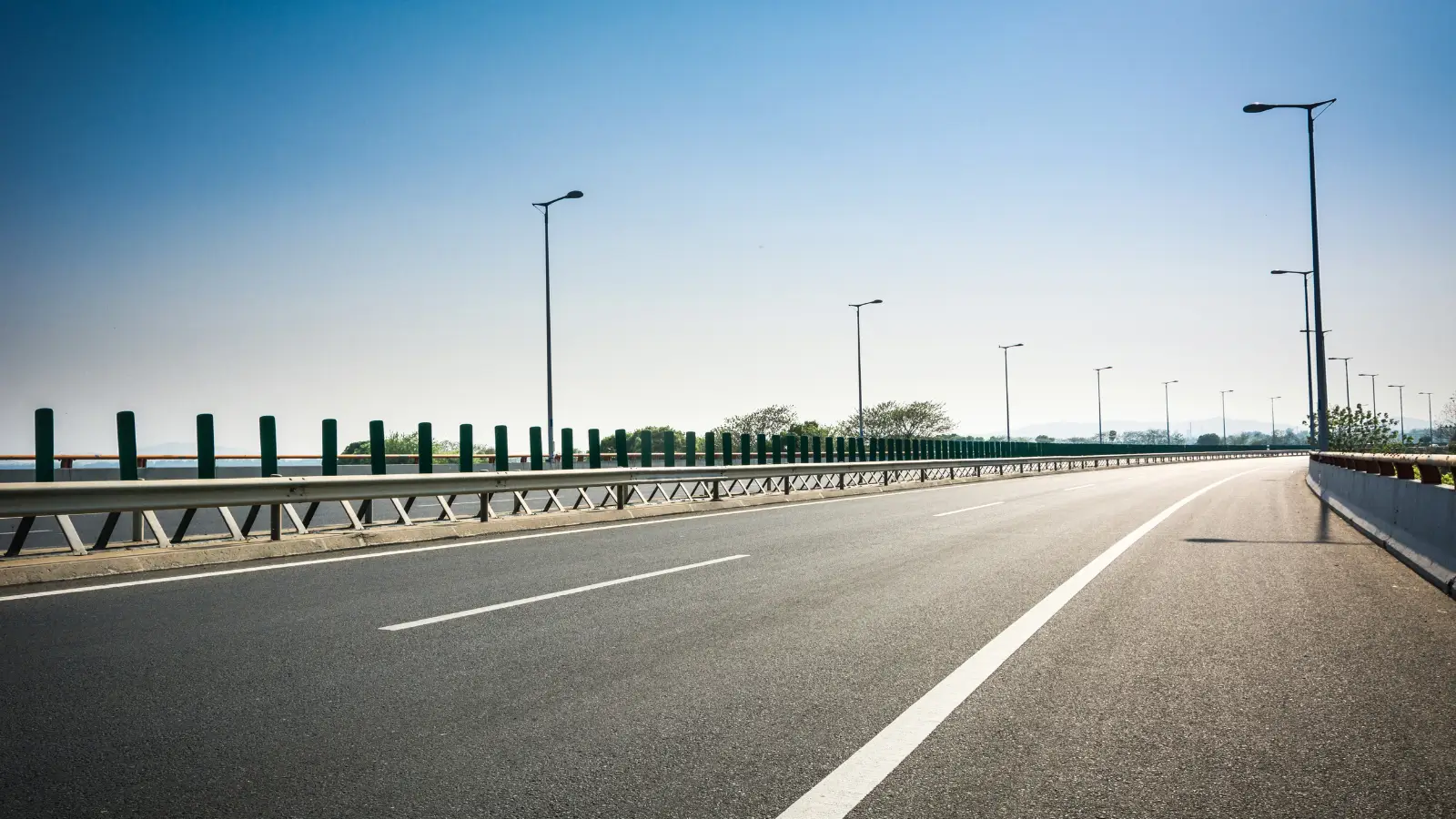
The Peripheral Ring Road (PRR), now officially called the Bengaluru Business Corridor, is a planned wide expressway running outside the existing Outer Ring Road (ORR). Its first corridor runs for about 74 km from Tumkur Road in the north-west, across Ballari Road (NH-44) north of Hebbal, and on towards Hosur Road in the south-east. Plans call for an eight-to-ten-lane road with service roads on both sides, and the government has rebranded it to reflect expected business development along its length.
A second corridor, sometimes called PRR-2, covers a southern stretch of roughly 52 km linking Mysuru Road with Hosur Road.
PRR Route North Bangalore
The PRR route North Bangalore residents care most about is Package 1, a 21 km stretch from Tumkur Road to Ballari Road. It crosses the airport road north of Hebbal, creating a new east–west link across the north that avoids the city's inner roads. Further packages continue east towards Old Madras Road, Sarjapur Road, and Hosur Road.
Package | Stretch | Length | Status (2026) |
|---|---|---|---|
1 | Tumkur Road to Ballari Road | ~21 km | Preparatory work under way |
2 | Towards Old Madras Road | ~17 km | Tendering scheduled |
3 | Towards Sarjapur Road | ~14.6 km | Tendering scheduled |
4 | Towards Hosur Road | ~15.6 km | Tendering scheduled |
PRR Land Acquisition Status
PRR land acquisition status has long been the main obstacle. After land was first notified in the mid-2000s, acquisition stalled for years over compensation. That changed recently. The Bangalore Development Authority began issuing land awards in November 2025, the first compensation payout followed in January 2026, and the state cabinet approved revised compensation for about 948 acres, more than half of the land needed. Landowners can choose cash or transferable development rights in some cases. In September 2026, a final notification covering about 1,427 acres was issued for the southern PRR-2 corridor.
How Will Peripheral Ring Road Impact North Bangalore Residents?
Once built, the PRR should reduce heavy traffic on the ORR and inner roads, since vehicles travelling between Tumkur Road, the airport road, and the east will be able to bypass the city. For residents of Hebbal and Kempapura, that could mean lighter traffic at junctions such as the Hebbal flyover, especially from freight and long-distance vehicles.
Along the new road, land values in villages and outer suburbs may rise as access improves, and new commercial and residential projects are likely to follow. Areas already served by the ORR and the upcoming metro, such as Kempapura, benefit more indirectly through reduced congestion rather than new development.
Links With Other Projects
The PRR will not work in isolation. To the north, it meets NH-44, the main road to Kempegowda International Airport, and it complements the Satellite Town Ring Road further out. The Blue Line metro, targeted to reach the airport from Hebbal in September 2027, will handle passenger commutes along the same corridor, while the PRR takes freight and long-distance road traffic. Together, the road and rail links should make North Bangalore easier to cross in every direction. For buyers, that network effect matters more than any single project, because it widens the areas from which people can reach offices, the airport, and each other.
Timelines and Risks
Large road projects rarely finish on schedule, and the PRR has a long history of delays. Earlier tenders drew no response until compensation terms were settled. Construction of Package 1 is only beginning, and other packages are still being tendered. Buyers should treat any claims that land near the route will jump in value quickly with caution, especially for plotted developments far from existing services. Our overview of upcoming infrastructure projects in Hebbal covers nearer-term projects, and our look at the aerospace park in Devanahalli explains another driver of northern growth.
What It Means for Buyers
For buyers who want certainty today, established areas close to jobs, schools, and the metro offer immediate liveability, with the PRR as a future bonus. Misty Waters in Kempapura sits about 2.5 km from Manyata Embassy Business Park and about 1 km from the upcoming Kempapura metro station, and homes range from 2 BHK to 4 BHK with prices shared on request. See the location page for distances.
Related reading: Upcoming infrastructure projects in Hebbal | Aerospace park Devanahalli impact on real estate | Location and connectivity on the homepage | Talk to our team
FAQs
What is the Peripheral Ring Road?
A planned expressway outside the ORR, now called the Bengaluru Business Corridor, running about 74 km from Tumkur Road to Hosur Road.Where does it cross North Bangalore?
Package 1 runs about 21 km from Tumkur Road to Ballari Road, crossing the airport road north of Hebbal.Has land acquisition started?
Yes, awards began in November 2025 and the first compensation payout followed in January 2026.When will it open?
No firm opening date exists; Package 1 preparatory work is under way and other packages are being tendered.Will it reduce traffic in Hebbal?
It should ease through-traffic once built, especially from long-distance vehicles.
Related Articles

Living Near Nagavara Lake Lumbini Gardens: The Green Edge of Kempapura
Open water is rare along the Outer Ring Road (ORR), which is why the stretch around Nagavara Lake stands out. Living near Nagavara Lake Lumbini...

Imported Marble vs Vitrified Tiles for Flats: Which to Choose
Flooring sets the tone of a home more than almost any other finish, and it is one of the hardest to change later. The imported marble vs vitrified...

Listed Real Estate Developer Benefits for Buyers: Why Listing Matters
When two developers offer similar homes, buyers often look for a tiebreaker, and a stock-market listing is one worth understanding. The listed real...
How Will Metro Affect Property Prices in Hebbal?
Metro lines change how people move, and over time they change where people want to live. With the Blue Line airport corridor under construction...